
Kualoa

Kualoa Background

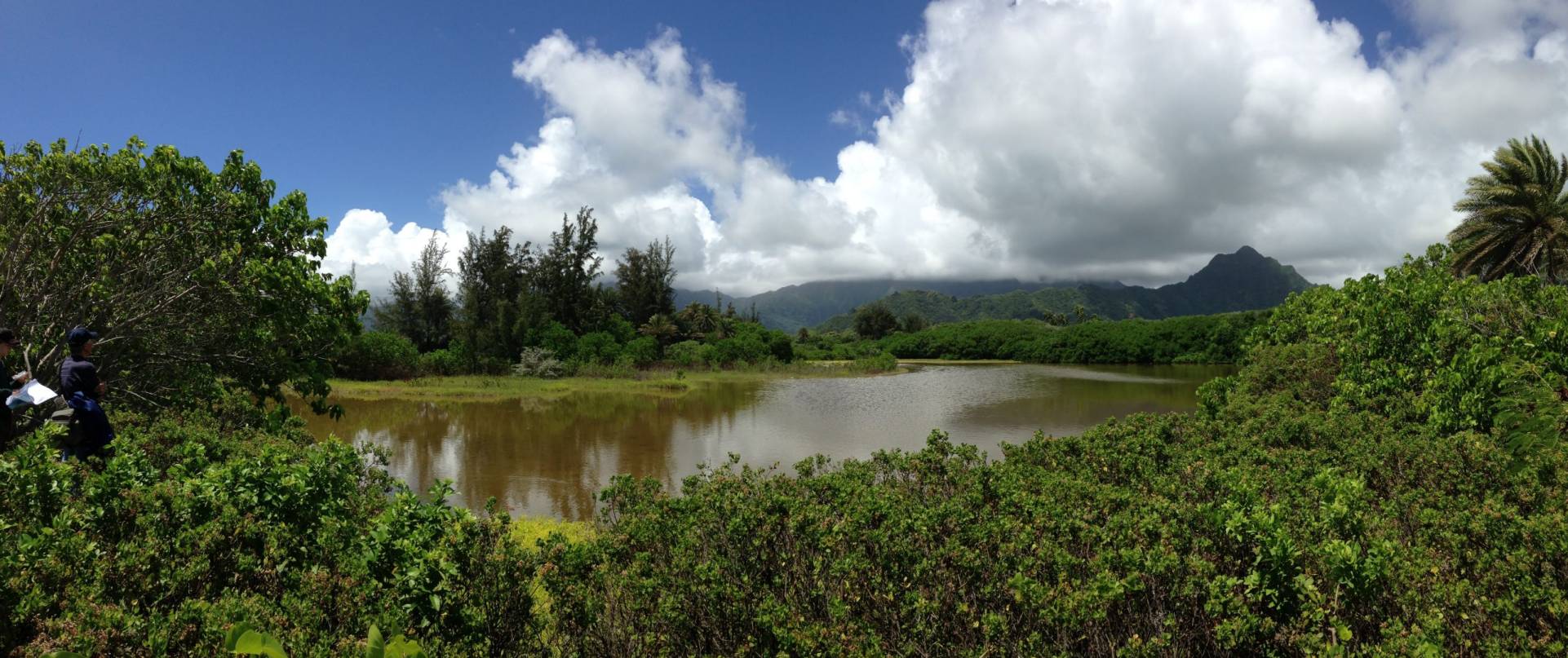
The 153-acre Kualoa Regional Park on the windward side of Oʻahu was acquired by the City & County of Honolulu in 1974 for use as a public park. The City developed the initial plan for the park in 1972 during the acquisition process. The park is currently managed by the City’s Department of Parks and Recreation (DPR), which has limited onsite staff resources to manage camping and ocean recreation activities, along with park summer programs. There are two dedicated staff members, one caretaker, one maintenance supervisor responsible for multiple parks, and several groundskeepers. Various community groups are also using parts of the park for educational and cultural programs.

Apua1 scaled
Image Slide 3
previous arrowprevious arrow
next arrownext arrow
Shadow

DPR last updated its Master Plan for Kualoa Regional Park in 1995. The 1995 plan, prepared by Miyabara Associates, contained land use and facilities concepts and highlighted the cultural importance of the park while recognizing its continued value as a recreational resource. The 1995 plan supported only limited low intensity development and a cultural focus, after the previous (1972) plan had laid out an extensive development scheme, complete with cabins and a park transit system. Now three decades later, however, the 1995 plan has yet to be implemented.

Kualoa Regional Park Map

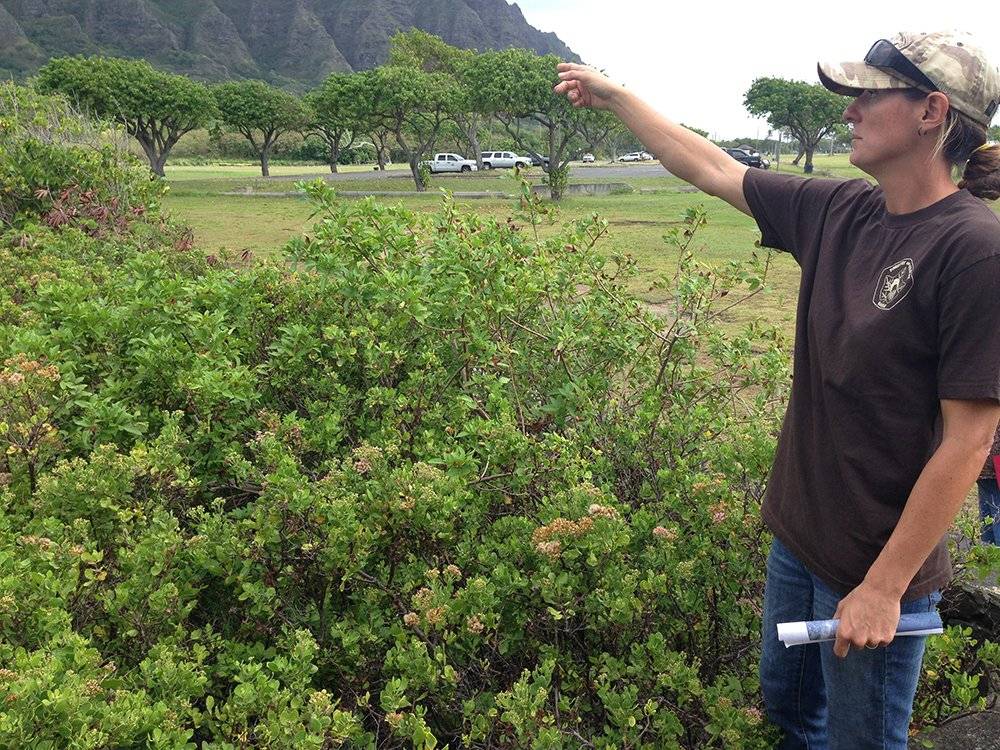
The community non-profit organization Ka Huli o Hāloa (KHOH), along with other local entities including the Hakipuʻu Learning Center (HLC), has been involved in conducting community programs at Kualoa/Hakipu‘u and is interested in moving ahead with plans for the park. KHOH received a grant from the Office of Hawaiian Affairs (OHA) in 2014 to update and refresh the 1995 plan to help DPR implement the plan. This planning process aimed to bring the 1995 plan up to date, in order to enhance current uses and programs in line with the cultural, historical and natural significance of the place. KHOH contracted with the local planning company Townscape, Inc. in April 2014 to update the plan. Townscape, in collaboration with KHOH and City DPR and a diverse “hui” of local stakeholders, has been conducting background research, field visits and community outreach to bring the plan up to date for 2015.

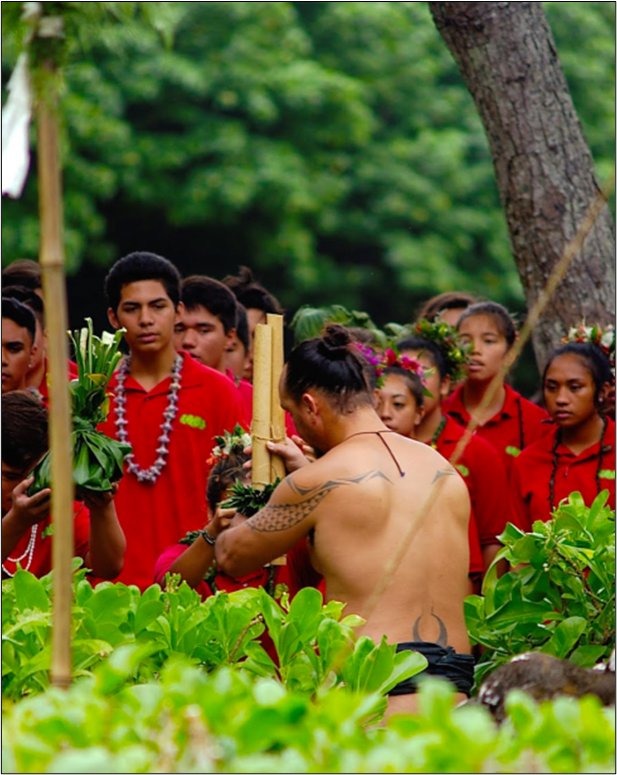
Makahiki celebrations at Kualoa

The 1995 Master Plan, while commenting on the cultural significance of Kualoa, was primarily focused on facilities development and some interpretive features. The concepts presented in the plan (see Figure 3) included new administrative offices for DPR near the park entrance, a centrally located cultural center to serve as the primary facility for all cultural and interpretive programs, a multi-purpose facility near the beach, a separate viewing area outside of the park to accommodate tourists taking pictures of Mokoliʻi Island, a new caretaker residence, interpretive theme areas, an outdoor entertainment stage, and archaeological research and storage. Some of these concepts and facilities, as noted above, are retained in this 2015 plan update. However, the 2015 Plan does not address the specifics of the design and cost projections of recommended facilities; it is expected that these specifics would be addressed in the context of the proposed Management Framework.

One of the main purposes of the plan update from a community standpoint was to focus on the cultural/historical significance of this important place and to develop land use concepts and programs that will highlight this cultural significance to help visitors and park users of all ages understand and perpetuate traditional cultural concepts and values that are still being lived in Kualoa and the surrounding ahupuaʻa to this day. The programs to be implemented at the park should act as a living example of some of these traditional cultural values and practices.

This Plan further identifies the importance of first establishing the Management Framework – a framework for collaboration between the City and community entities – and to define the management, program responsibilities, and contributions of each of the parties. This is a priority and essential step to enable the full implementation of the vision. Once a Framework is established, it is anticipated that all parties – the C&C of Honolulu DPR, the identified management partners, and community program collaborators – will inform the priority roll-out of facilities and programs, identify projected costs and potential funding strategies, and work collaboratively toward successful implementation of this Plan.