
Projects
Mālama ʻApua Pond
Goals
- Develop a Restoration Plan for bird habitat/pond restoration and implement a long-term habitat restoration effort.
- Repair old fishpond wall and mākāhā to start fish production again.



Overview
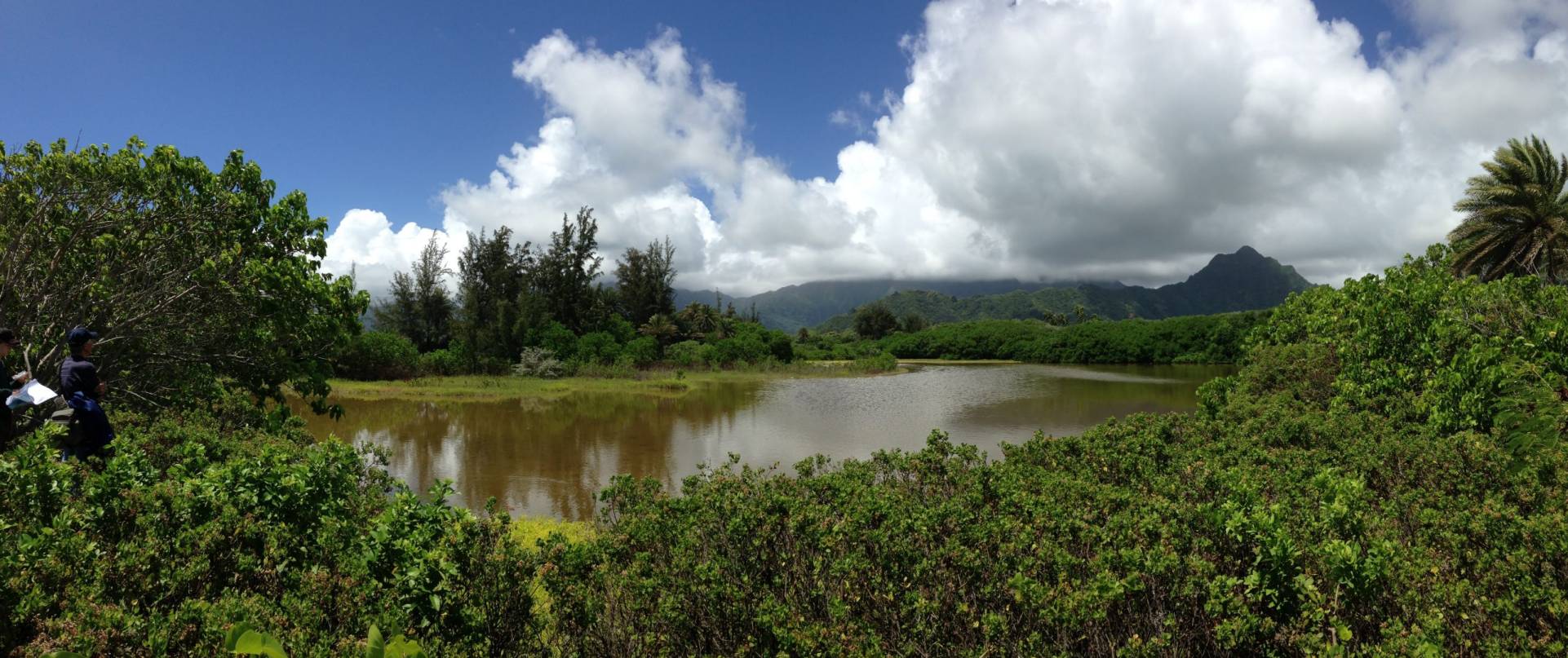
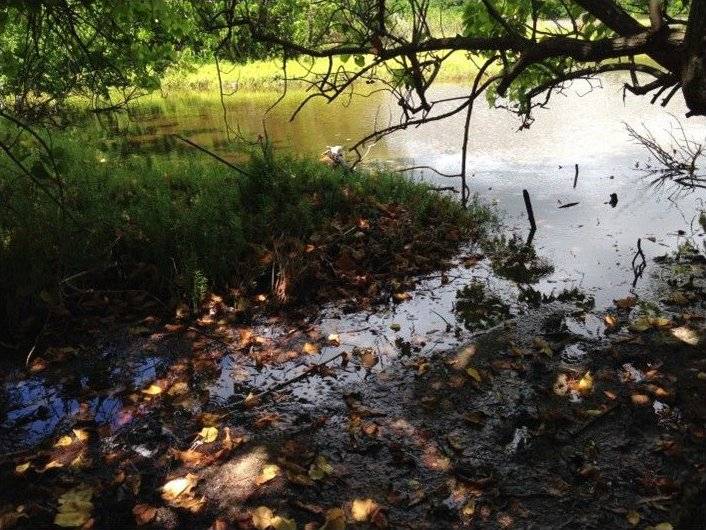
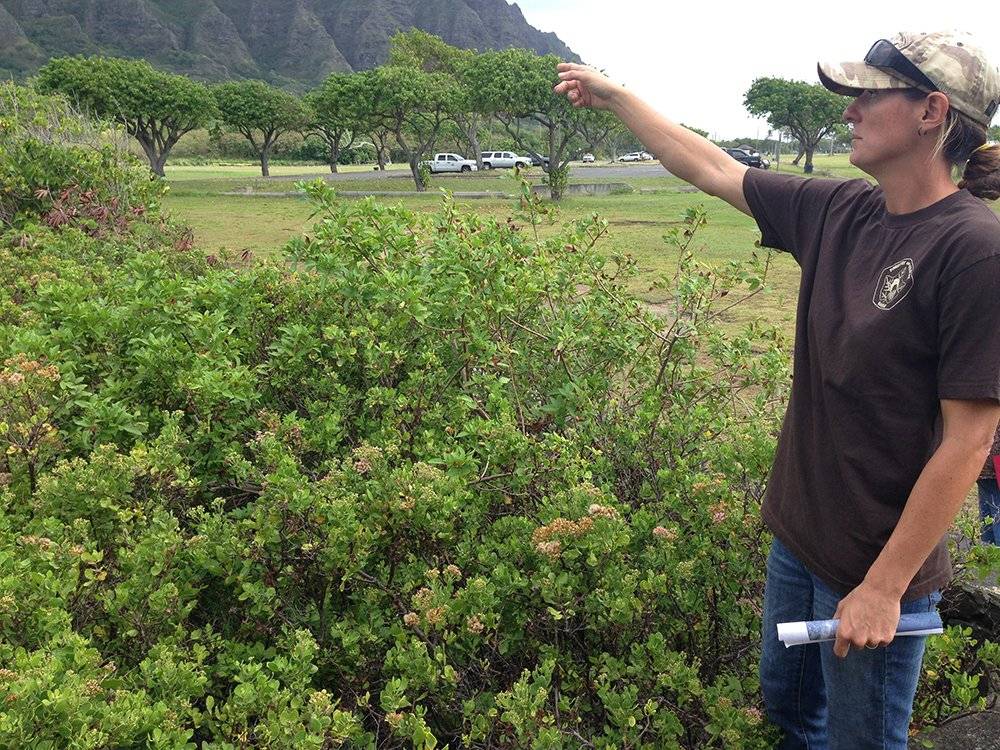
ʻApua Pond, a small 3+ acre feature at the eastern end of the park, was once a productive fishpond that helped earn George Uyemura, the keeper of Mōliʻi Pond, his “Christmas money,” as described in the book “Keeper of Mōliʻi Pond.” Unfortunately the water quality of the pond has been degraded, with water quality samples taken in the past five years showing high levels of nutrients (likely from decomposing organic material at the bottom of the pond) and very high levels of fecal indicator bacteria. The bacteria may be from aquatic birds, cats and mongoose, although this problem has not undergone further study. According to DPR, post-World War 2 construction debris was also bulldozed into the pond, where it has accumulated at the bottom, causing potentially dangerous materials to become uncovered. The flora surrounding the pond is mostly non native and includes dense stands of hau, milo trees, ironwood trees and ground cover including the edible pickleweed. The trees make it an easy area for homeless people to set up camps.